
Hernias of the abdominal wall and groin are common. Many people notice pain, a visible lump, or difficulty with work and sport. At Compass Surgical, our goal is to provide hernia repairs that are durable, safe, and tailored to each person.
One of the most common questions we hear is about mesh. Patients and GPs often want to know how safe mesh really is, what the risks are, and what current evidence supports. This guide explains why mesh is used, what the risks look like today, and how we approach mesh repair in our practice.
A hernia occurs when tissue pushes through a weakness in the abdominal wall. Simply stitching the defect closed places the tissues under tension, which increases the chance the hernia will return.
Mesh strengthens the repair by spreading the load across a wider area. Decades of research show that mesh repairs have lower recurrence rates than suture-only repairs in most adults.
Mesh has been used worldwide for more than 50 years. Most patients heal without major issues, but complications can occur. The most recognised risks include:
It’s important to separate older, outdated mesh issues from the modern polypropylene meshes used today for abdominal wall and groin hernias. Major international guidelines continue to recommend mesh repair for most adult inguinal hernias because evidence shows a good balance of safety and durability when surgery is performed in an experienced unit.
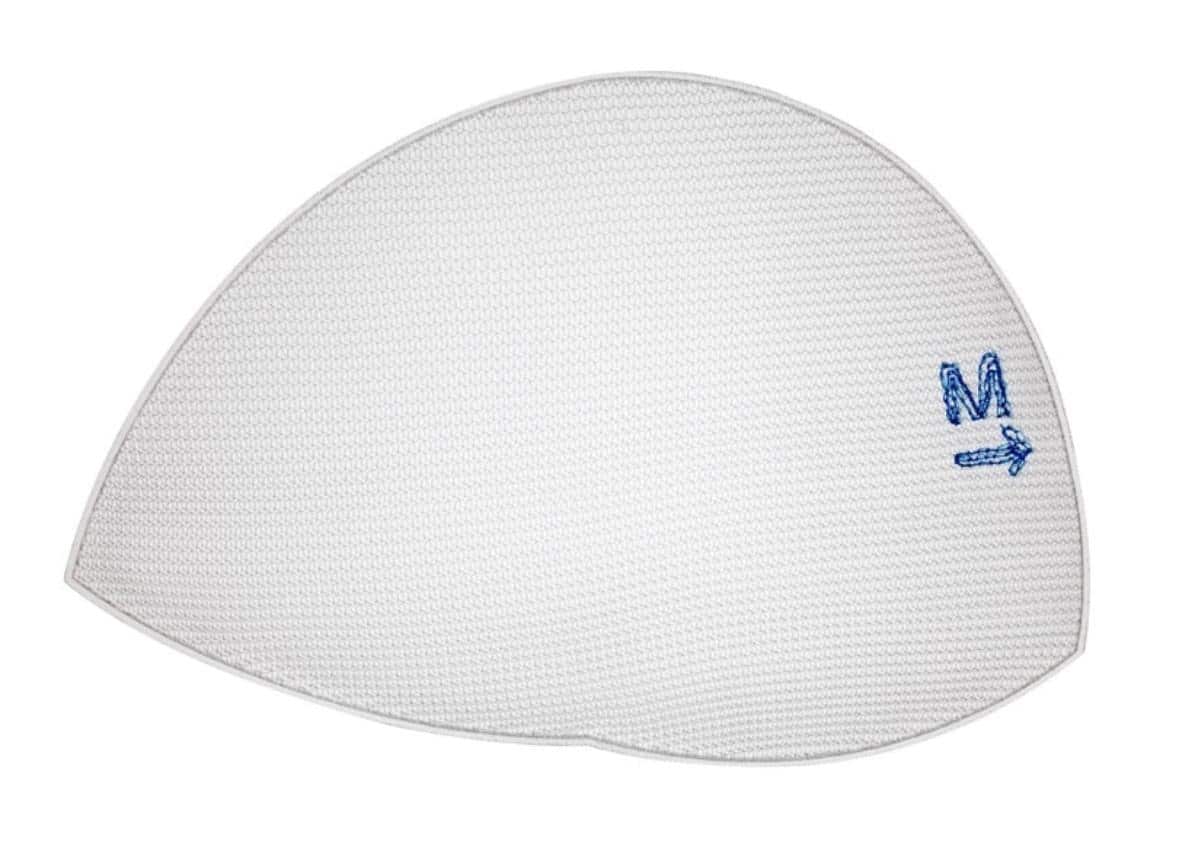
Traditional mesh is flat and shaped to fit the groin. Newer three-dimensional meshes (such as Bard 3DMax Light) are made in a curved, pre-formed shape that better matches the natural anatomy.
At Compass Surgical, a lightweight 3D mesh is our preferred option for most laparoscopic inguinal hernia repairs.
Large modern datasets show that both heavy and lightweight 3D meshes have:
Lighter meshes may be associated with slightly lower discomfort levels, but both types perform well when used appropriately. Overall, current evidence supports 3D mesh as a reliable and safe option for most suitable patients.
For most primary inguinal hernias suitable for laparoendoscopic repair, we typically recommend:
This approach aims to balance excellent long-term durability with comfort and a smooth recovery.
Every hernia is different. Mesh choice and technique are discussed with each patient and based on:
For very large or recurrent hernias, other mesh options or strategies may be more appropriate.
During consultation we cover:
While no mesh or technique is completely risk-free, the combination of international guidance, modern evidence, and our own results shows that mesh repair remains a safe, effective choice for most patients.
Patients referred to us for hernia assessment can expect:
Our aim is to ensure patients, families, and referring GPs feel confident that decisions are grounded in the best available evidence and thoughtful, individualised care.


© 2026 Compass Surgical All Rights Reserved | Privacy Policy | Terms & Conditions | Web Design by Virtual Innovation